

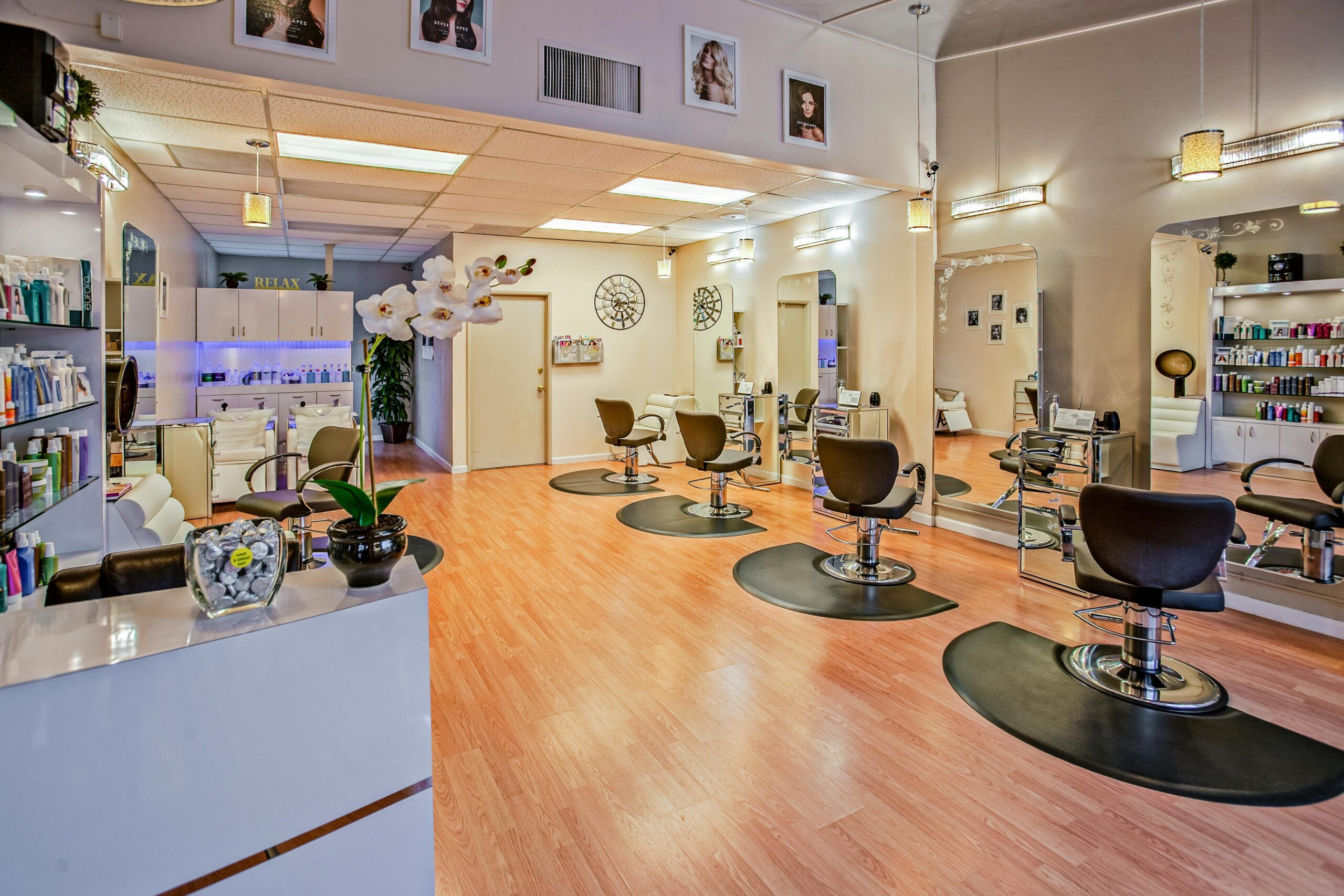
Most salon owners judge operations by how the salon feels on a busy day.
If clients are happy and the floor looks calm, it feels like things are working. But operational strength is not tested on good days. It shows up when someone calls out sick, a client disputes a charge, inventory runs low, or the owner needs a day off.
This checklist is designed to answer one uncomfortable but powerful question:
If I stepped away for a week, what would quietly fall apart first?
In 2025, profitable salons are not just creative spaces. They are well-run systems, even when no one is watching.
Why salon operations break down (and why owners absorb the cost)
Admin systems rarely fail all at once. They fail slowly.
A missed confirmation here.
An undocumented exception there.
A payroll “fix” done manually.
Over time, these small gaps train the business to rely on the owner’s memory and availability instead of systems.
Research across small businesses shows owners lose over an hour per day to low-value administrative work. In salons, that time loss is more expensive because revenue depends directly on booked hours and staff efficiency.
When systems are missing, owners pay in:
- Interrupted services
- Emotional labor
- Nights and weekends spent catching up
This checklist is about identifying where your salon is still relying on you instead of infrastructure.
How to use this checklist properly
This is not a to-do list.
It is an evaluation framework. As you read each section, ask yourself:
- Is this handled by a system or by a person?
- Is it consistent or case-by-case?
- Could someone new follow this without asking me?
If the answer is “it depends” or “I usually handle that,” you have found an operations gap.
Core salon operations every owner needs
Every salon, regardless of size, relies on the same foundational operational pillars. The difference between calm and chaos is whether these pillars are defined and shared.
Core salon operations audit
| Area | What “Operationally Solid” Looks Like | Red Flag If Missing |
| Booking & scheduling | Rules, buffers, ownership are defined | Constant reschedules |
| Client records | Notes and history stored centrally | Repeated conversations |
| Payments & deposits | Policies enforced automatically | Emotional exceptions |
| Staff schedules | Coverage rules are clear | Last-minute scrambling |
| Inventory | Min levels and reorder points exist | Surprise shortages |
| Payroll workflow | Cutoffs and approvals documented | Stress every pay run |
| Policies | Written and applied consistently | Owner mediates conflicts |
| Communication flow | One ops channel exists | Missed messages |
If multiple red flags feel familiar, your salon is running on effort, not systems.
Booking, scheduling, and calendar control
Scheduling is where most operational stress originates.
Industry estimates place salon no-show rates between 10% and 20%, depending on service mix and region. Even a small reduction has a measurable impact on revenue and predictability.
Operationally strong salons treat the calendar as a system, not a suggestion.
That means:
- Service durations are standardized
- Buffers are intentional
- Rescheduling rules are defined
- One role owns calendar integrity
When everyone can move appointments freely without guidelines, chaos follows.
Client data and records: memory is not a system
If your team relies on remembering preferences, sensitivities, or history, consistency will always suffer.
Client records should answer future questions without repeating conversations:
- What services were done
- What products were used
- What issues came up
- What should be avoided
This matters even more in team-based salons where clients may see different staff.
Financial admin systems that protect profitability
Financial admin breaks salons quietly.
Common warning signs include:
- Deposits applied inconsistently
- Discounts negotiated emotionally
- Payroll corrections made manually
Booking platform data shows a steady increase in businesses enforcing cancellation and no-show fees as systems make enforcement easier. This shift protects both time and revenue and removes the owner from being the “bad guy.”
If money decisions still rely on case-by-case judgment, burnout is inevitable.
Inventory management: where stress hides
Inventory rarely explodes. It erodes confidence.
Without a defined system, owners end up “keeping an eye on it,” which means:
- Over-ordering to feel safe
- Running out at the worst time
- Tying up cash unnecessarily
Operational salons define:
- What is tracked
- Minimum stock levels
- Who reorders
- When inventory is reviewed
Anything less is guesswork.
Staff workflows and accountability
Operations fail fastest when expectations are assumed.
Staff should never wonder:
- Who approves time off
- Who handles issues
- Where updates live
- What happens when policies are triggered
When that is unclear, everything routes back to the owner.
That is not leadership. That is survival mode.
CMS and documentation systems salon owners can actually use
One of the most overlooked pieces of salon operations is where systems live.
Salon owners often think they need complex software. In reality, they need accessible, organized information.
Effective CMS options for salons include:
- Google Drive with structured folders
- Notion for SOPs and operations manuals
- ClickUp or Asana for workflows
- Simple shared documents for daily logs
What matters is not the tool, but consistency.
Your CMS should:
- Be easy to access mid-shift
- Contain only relevant SOPs
- Be updated regularly
- Be used, not archived
If staff cannot find answers in under a minute, they will ask you instead.
Operations documentation that supports the salon
Most salons fail by documenting too much too fast.
High-performing salons document what causes repeat friction first and refine over time.
Table 2: Documentation that fails vs documentation that works
| Fails | Works |
| Massive manuals | Focused SOPs |
| Written once | Updated regularly |
| Hidden in folders | Used daily |
| Explains everything | Guides decisions |
Documentation should reduce questions, not add reading assignments.
Why most salon owners feel stuck in admin mode
Owners rarely notice how much mental energy operations consume until systems are in place.
When systems are missing:
- Owners become the memory bank
- Decisions feel personal
- Nights become catch-up time
This is not a productivity issue. It is an operations design issue.
How we help salon owners build operations that actually support them
At Spark Pro Global, we work with salon owners who feel buried in admin but cannot see where the breakdown truly is.
We help owners:
- Audit existing operations honestly
- Identify which systems are missing or fragile
- Choose tools and CMS setups that fit salon life
- Build workflows and SOPs teams actually use
- Shift admin out of the owner’s head and into systems
We do not add complexity. We remove friction. The goal is not perfect operations. It is operational calm.
FAQs: Salon Operations Checklist for Owners
What are salon operations?
Salon operations include all behind-the-scenes systems that keep the business running, such as scheduling, admin workflows, payroll, inventory, policies, and documentation.
What CMS should salon owners use?
Most salons do well with simple tools like Google Drive or Notion, as long as information is organized and accessible.
How often should salon operations be reviewed?
Quarterly reviews are ideal, or anytime the salon grows or changes staff structure.
Do small salons really need operations systems?
Yes. Smaller teams feel the impact of missing systems faster because fewer people absorb mistakes.
What is the fastest way to improve salon operations?
Start by identifying what currently relies on you personally and build systems around those areas first.